EN
 IT
GUASTAVINO CATHEDRAL
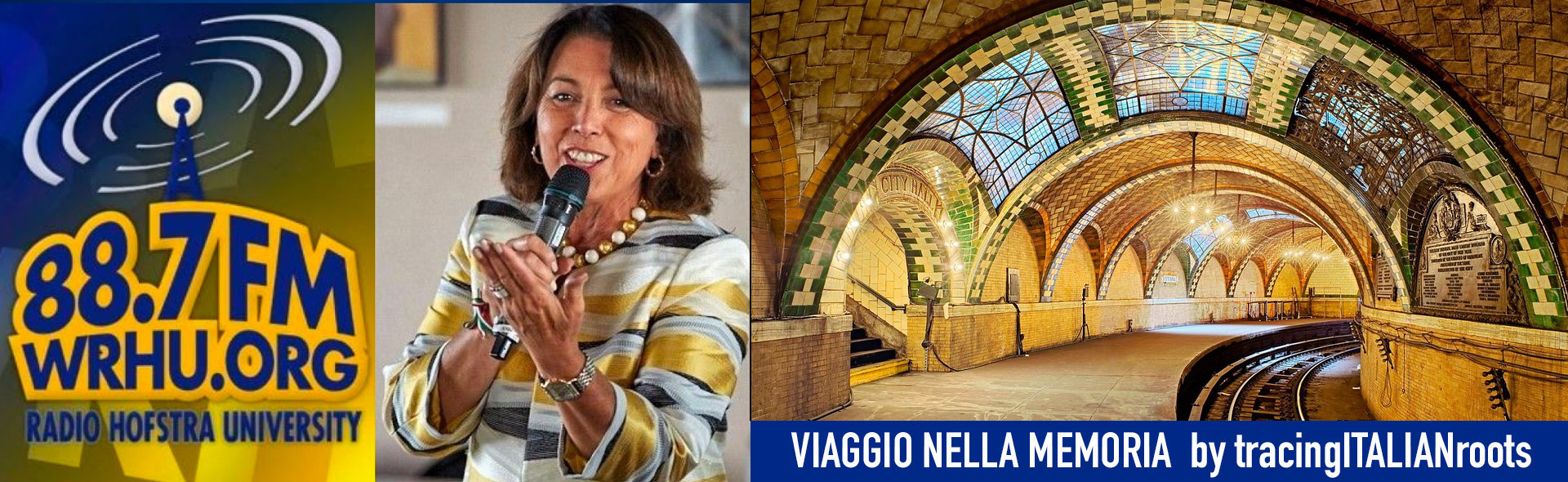
Beneath the streets of New York lies a station that, at its opening in 1904, was renamed the “Mona Lisa of subway stations.” It is the ghost station of City Hall, permanently closed to passengers in 1945 yet still intact in all its dazzling elegance. Light filters through magnificent stained-glass skylights, set into a ceiling that resembles petrified lace. The warm glow of brass chandeliers reveals walls and vaults decorated with intricate terracotta geometries: cream-colored surfaces framed by brilliant emerald-green and warm-yellow polychrome glazes, gently following the curve of the single track, accompanied by elegant mosaic name plaques. Behind this aesthetic and structural perfection lies the engineering genius of Rafael Guastavino. Arriving in America in 1881 without speaking a single word of English, Guastavino introduced a revolutionary construction technique: the Tile Arch System, also known as the cohesive tile vaulting system. Unlike the builders of his time, he did not rely on heavy compressed stones supported by cumbersome steel frameworks. His secret lay in overlapping two or three extremely thin layers of flat terracotta tiles, interlocking them in precise herringbone patterns and bonding them together with an advanced, fast-setting Portland cement mortar. This bold alchemy of materials created self-supporting vaults that were remarkably lightweight yet as strong as reinforced concrete, capable of spanning arches far wider than traditional ones. His walls offered not only superb aesthetic results, but were also resistant to moisture and, above all, completely fireproof: a technological miracle for a metropolis constantly haunted by the threat of devastating fires. The expertise of this genius, raised among the colors of Valencia, carried within it an unmistakable Italian soul. Rafael’s grandfather, Davide Giuseppe, was in fact a skilled Ligurian builder originally from Varazze, who had emigrated to Spain at the end of the eighteenth century. It was precisely this ancient artisanal heritage that shaped his talent, enabling him to transform a dark underground space into a marvel. With his technique, Guastavino succeeded in overcoming the distrust of New Yorkers, who at the time were frightened by the idea of traveling underground, welcoming them instead into the reassuring, luminous grace of a hidden cathedral in the heart of the earth.
And if you'd like to discover and share your own family's story, begin your journey today by visiting tracingitalianroots.com !