EN
 IT
THE NAVIGATOR AND THE SCULPTOR
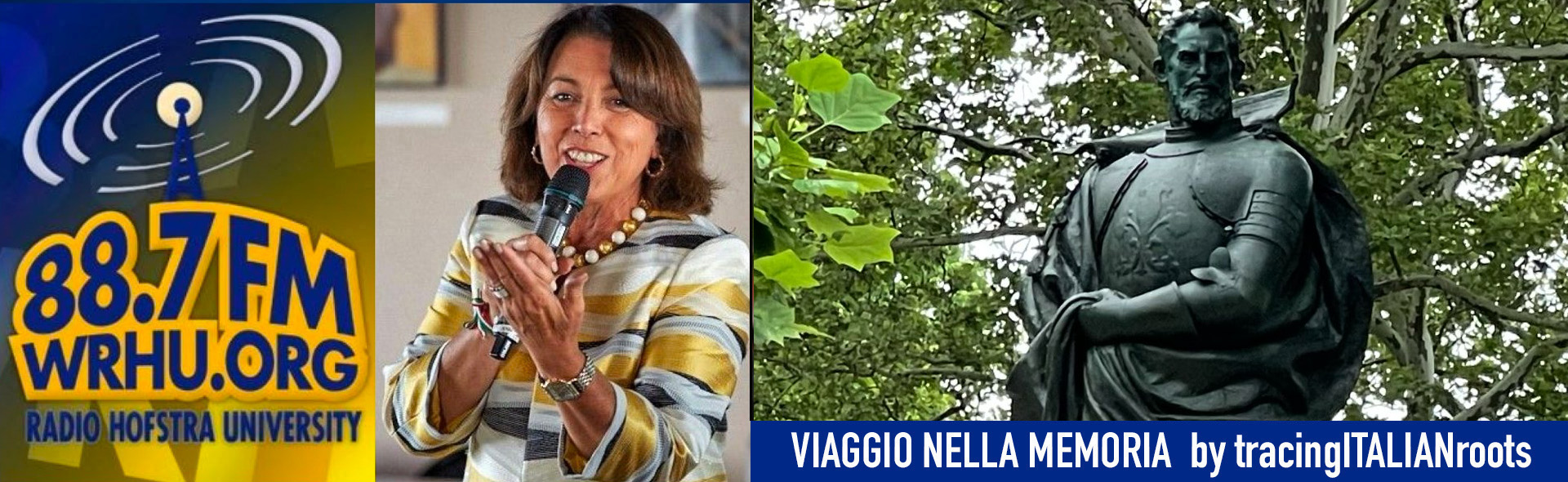
At the southernmost tip of Manhattan, where the Atlantic breeze meets New York Harbor, a proud bronze sentinel has stood since 1909. It is Giovanni da Verrazzano, the Tuscan navigator who, in 1524, was the first European to sail the waters of this bay. Behind this statue lies a powerful story of pride and redemption. In 1909, New York was celebrating the “Hudson-Fulton Celebration” with great fanfare, honoring the Englishman Henry Hudson while completely overlooking Verrazzano’s earlier achievement, nearly a century before. The Italian American community would not stand for it: feeling ignored, it mobilized through publisher Carlo Barsotti and the newspaper Il Progresso Italo-Americano. Immigrants contributed from their own pockets to finance a monument that would proclaim the historical truth to the world: Italy had arrived first. To give shape to this act of vindication, Ettore Ximenes was chosen. Born in Palermo in 1855 and trained between the raw realism of Naples and the Renaissance rigor of Florence, Ximenes was not a desperate man seeking his fortune, but a true ambassador of Italian intellect. With hands imbued with a vibrant Sicilian identity, he sculpted the likeness of the Tuscan hero, placing at the foot of the pedestal an allegorical figure holding the torch of knowledge. Today, that colossus in Battery Park is more than just a sculpture. It is an eternal bridge between two continents; the triumph of a people who, fighting against oblivion, united the souls of Palermo and Florence to carve, forever, their own noble heritage into the heart of New York.
And if you'd like to discover and share your own family's story, begin your journey today by visiting tracingitalianroots.com !